Write down the conditions, not just the object
A useful observing log preserves the limits of a session as carefully as its successful identifications.
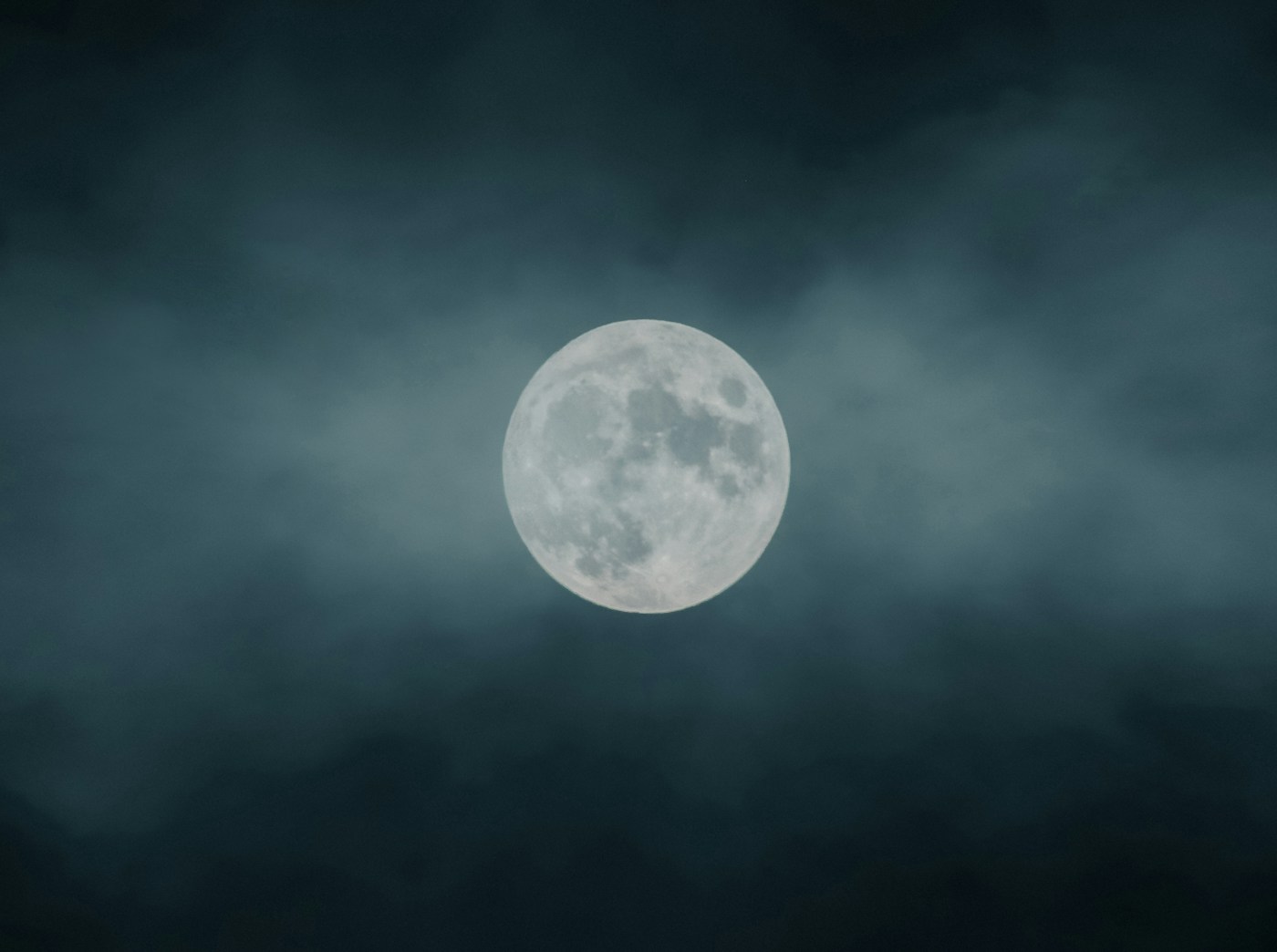
A list of objects says what an observer hoped to find or believes they saw. A useful log also says how the observation happened. Conditions, equipment and uncertainty help explain why a familiar view looked different, or why something remained unresolved. You can capture them without turning every short session into an administrative task.
Use a small header every time
Record the date, start time and time zone, followed by a general location label. Note whether you used unaided eyes, binoculars or another instrument. If equipment was involved, include enough detail to recognise the setup later. A notebook shared publicly does not need your home address or precise coordinates.
Leave a few lines for the view itself. Describe cloud, nearby lights and major obstructions in ordinary language. Do not assign a formal scale or measurement unless you understand the method and actually used it. Clear descriptive words are better than a technical-looking number without a reliable basis.
Describe how the session began
Write whether you came directly from a brightly lit space, used a screen frequently or had time to settle into the darker setting. The British Astronomical Association discusses dark adaptation for faint-object observing and the usefulness of dim red lighting for reading. It also notes that bright targets such as the Moon do not require the same approach.
This context helps you interpret the page. It is not a reason to treat every observation as an endurance exercise. Plan the lighting you need for moving safely and reading essential information, then organise the session around those practical needs.
Separate observed, identified and checked
Use three simple labels. Observed describes what you could see: a bright point, a broad light patch or a particular lunar shape. Identified records the name you think belongs to it and your confidence. Checked records the chart, map or primary reference you consulted afterwards.
If the identification remains uncertain, keep the description. An honest unresolved entry is useful on a return visit. Filling every blank from an app can blur the difference between the sky you observed and the information you later learned.
Finish with one return question
End the session with the time and one practical next step. You might choose a clearer opening in the horizon, compare the same view on another night or learn a single chart symbol before returning. Avoid copying an entire catalogue into the next-session list.
Review a few entries together after several visits. Look for repeated obstacles and repeated interests. The notebook may show that you enjoy sketching the Moon more than searching for unfamiliar objects, or that a different time suits your available view. Its job is to make your own observing practice clearer, with the limits of each page preserved alongside the discoveries.
Observing reference: British Astronomical Association: hints and tips for visual observing. Log structure and labels are editorial.