A Moon sketch can begin with three marks
Record the illuminated shape, one darker area and one uncertain detail before trying to label a lunar map.
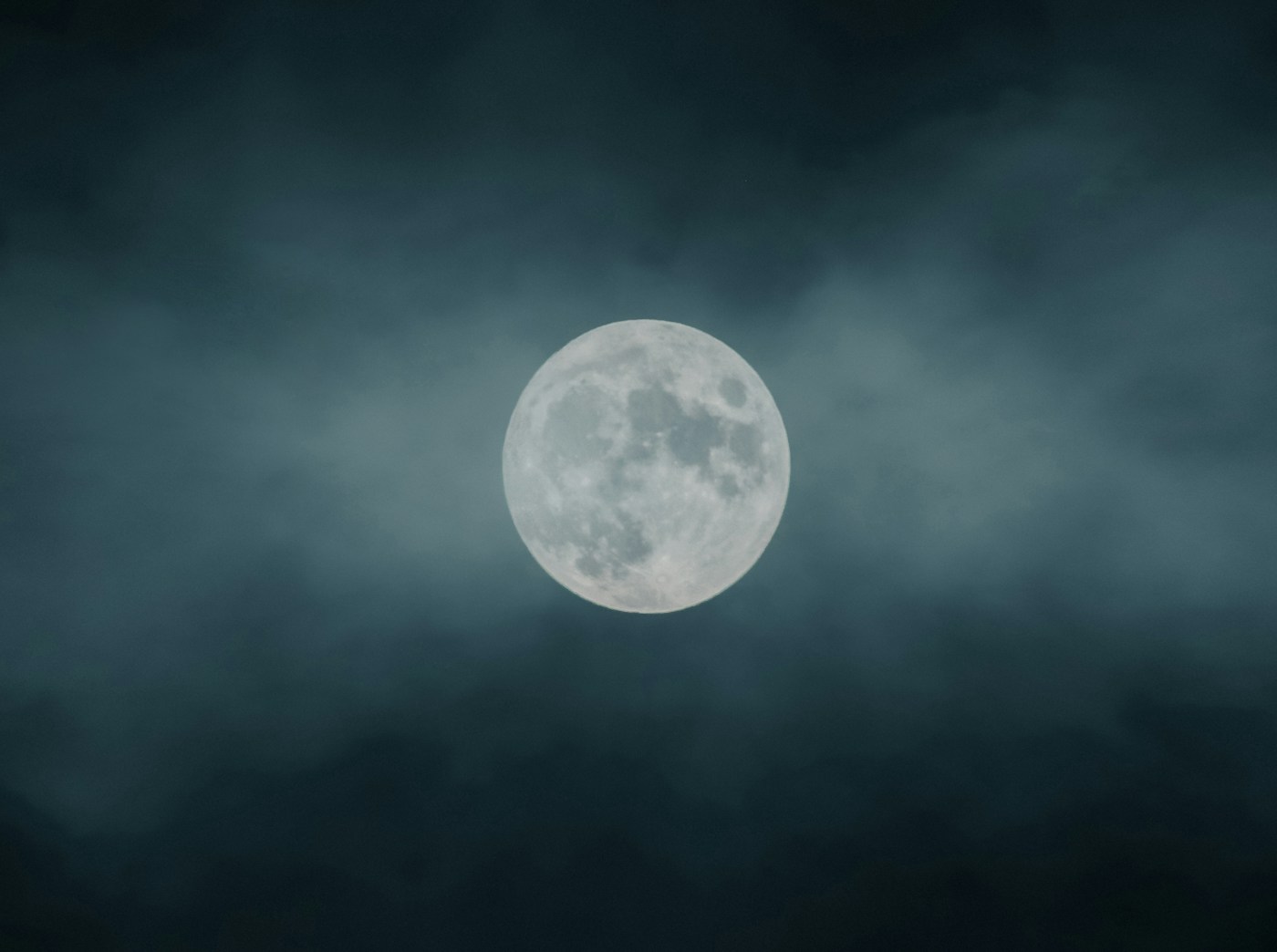
A lunar notebook does not need to begin with a page full of crater names. Start by making a record that you can compare with another evening. Three marks can be enough: the outline, the boundary between light and dark, and one feature that holds your attention.
Record how you are looking
Write the date, time and time zone, then note whether you are observing with unaided eyes or a particular pair of binoculars. Record the apparent orientation as you see it. Do not rotate your drawing to match a photograph before preserving the original view, because the comparison becomes harder to interpret.
Use a simple circle as a working outline. Leave plenty of room around it for labels and questions. If you are making several observations over time, keep the circles a similar size. Consistency makes the pages easier to compare even when they are not precise drawings.
Mark the major division first
Lightly indicate the illuminated part and the darker part of the disk. NASA's Moon viewing guidance draws attention to the terminator, the boundary between light and dark, where shadows can make surface features easier to recognise. Do not expect every phase to show the same appearance or every evening to offer the same view.
Next, place one broad darker area or another clearly visible feature relative to the outline. Use a plain description if you have not checked its name. A patch low on the left is a useful observing note; a guessed crater name can send the next comparison in the wrong direction.
Give uncertainty its own symbol
Use a dotted line or a question mark for a detail you only glimpse. Keep it distinct from a feature you can repeatedly find. You can return to it during the same session or compare it with an appropriate lunar map later. Looking something up should refine the note rather than erase the uncertainty that was part of the observation.
If cloud or an unsteady view interferes, describe the interruption. A short sentence about the conditions helps explain why one drawing contains fewer details than another. Resist completing the sketch from a reference image while presenting the result as something you saw.
Compare before adding detail
On a later evening, make a fresh sketch before opening the previous page. Then compare the illuminated shape and the position of the boundary. Write one sentence about the difference you actually noticed.
Names, measurements and more detailed drawings can be added as your interest develops. The first useful habit is simpler: distinguish the observed mark, the tentative mark and the information you learned afterwards. That separation turns an attractive drawing into a trustworthy personal record.
Observing reference: NASA: Moon viewing tips. The three-mark drawing exercise is editorial.