Begin with one small patch of sky
A short, repeatable observing session can start with your eyes, a familiar viewpoint and one clear question.
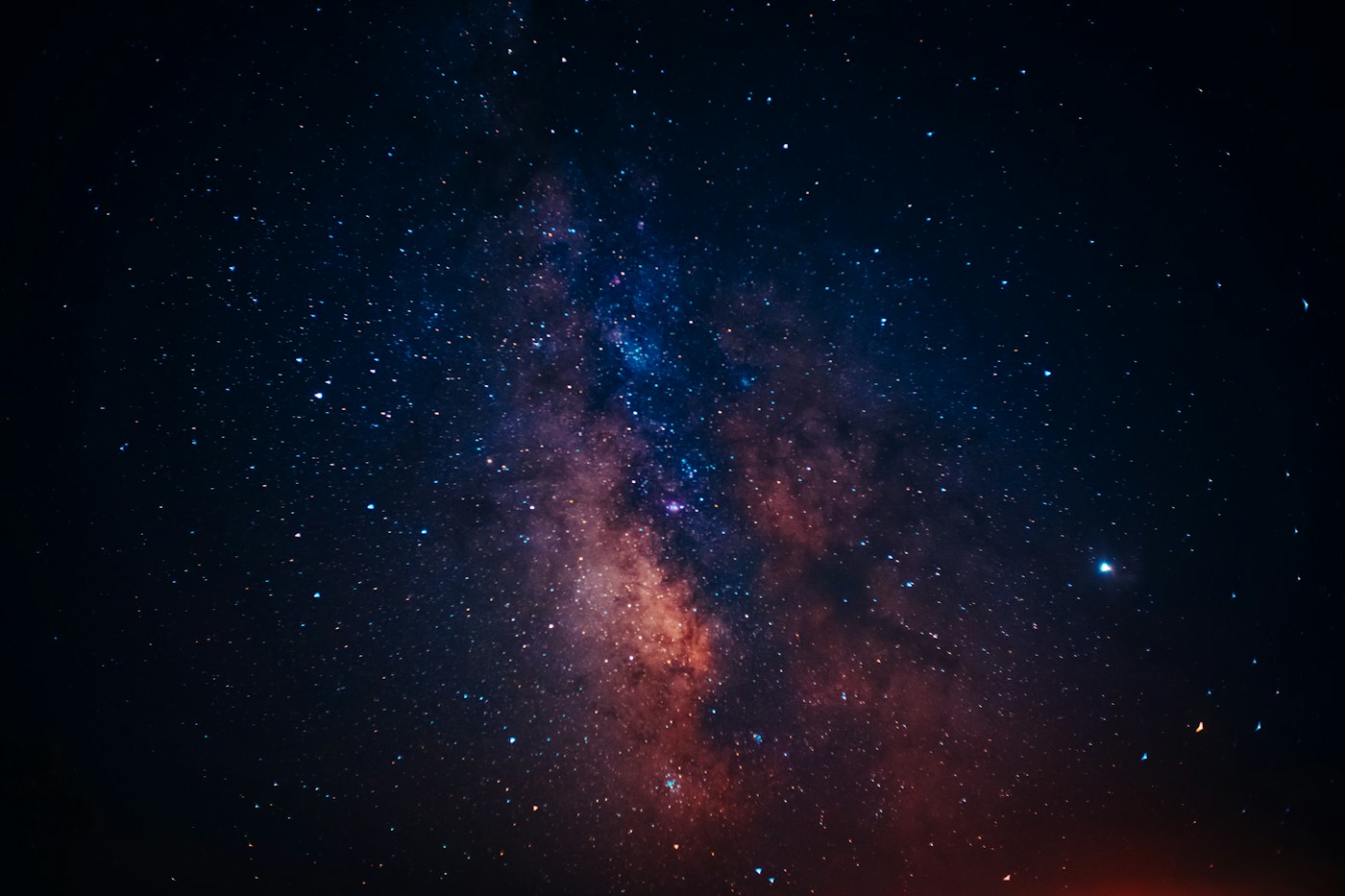
The whole night sky is too large for a first assignment. A more approachable beginning is a patch you can find from a familiar place after nightfall. You do not need to identify everything inside it. You need enough context to notice something and enough patience to return.
Choose a place you can use again
Select an accessible, permitted spot where you can stand or sit comfortably without obstructing anyone. Check the ground and route in adequate light before the session. A garden, courtyard or open public space may be suitable, but the useful choice depends on your local surroundings and access.
Make a rough note of the direction you face and the buildings or trees around the view. Avoid recording a private address in a notebook you intend to publish. A label such as courtyard, facing west is often enough to connect future entries without disclosing a precise location.
Set one modest question
Ask what pattern of bright points you can recognise, how the Moon's appearance compares with a previous evening, or which part of the view remains hidden behind a tree. NASA describes skywatching as an activity that can begin with unaided eyes and a few minutes of attention. Equipment can be useful later without being a condition for starting.
If you want to identify something, use a current chart or a reputable sky tool set to your actual observing location, date and time. Do not assume that an illustration for another latitude or hour matches your view. Keep an uncertain identification as a question rather than assigning a name just to complete the page.
Look first, then write
Spend a little time looking without repeatedly switching between the view and a screen. On paper, sketch only the brightest points that you can confidently locate. Mark the lower edge of the scene with the building or tree that helps you orient yourself. The drawing need not be accurate enough for measurement.
Write what made the session difficult: passing cloud, a nearby lamp, an obstructed view or simply not knowing which way to turn the chart. Those details are useful information about the observation, not reasons to call the evening unsuccessful.
Make the next visit obvious
Finish with a single return question. You might compare the same patch at a similar time on another evening, or look from a second permitted viewpoint with a clearer horizon. Save the sketch with its date and time, including the time zone if the notes will travel.
A small, recognisable view provides something that an ambitious list of targets often does not: a starting point you can repeat. The next session begins by noticing what has changed, rather than trying to learn the entire sky again.
Starting-point reference: NASA: skywatching frequently asked questions. The one-patch notebook exercise is editorial.