Learn the binocular view before making a target list
Get familiar with framing and focusing on an easy night-time subject before chasing a long list of objects.
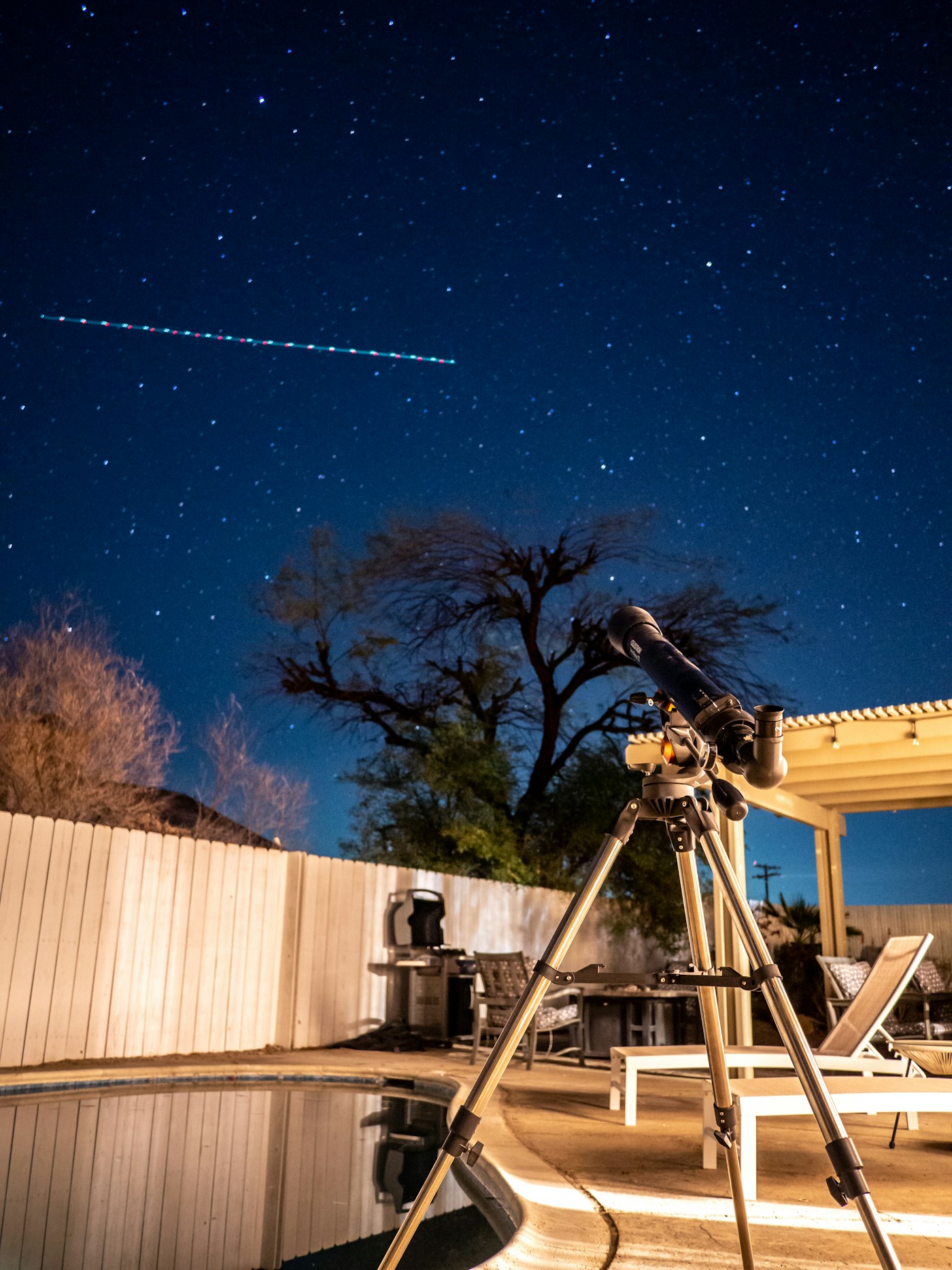
Binoculars can make an observing session feel wonderfully immediate, but an unfamiliar view can also be disorienting. Before assembling a list of faint objects, spend a session learning how your own pair feels to use. The first result you want is a repeatable view, not an impressive count.
Begin with the instructions
Read the manufacturer's guidance for adjusting the eyecups, spacing and focus on your particular model. Set up any strap or support according to its instructions. Do not assume that the adjustment sequence from another pair applies unchanged. Put caps and accessories somewhere you can find them without searching the ground in darkness.
For a night-time practice session, choose an obvious subject that is actually above your local horizon. The Moon can provide a clear starting point when it is available. Check a current local sky reference rather than relying on a photograph or a seasonal list written for somewhere else.
Connect the wide view and the narrow one
Locate the subject with your eyes first. Then bring the binoculars to your viewing position while keeping the general direction in mind. If you lose the subject, lower them and begin again instead of sweeping indefinitely. Take your time to adjust comfortably according to the manual.
Once you have a clear view, lower the binoculars and find the same area again. Repeat the connection a few times. This small exercise makes it easier to understand how the binocular frame sits inside the larger sky that you can see unaided.
Choose a question the equipment can answer
NASA notes that binoculars can reveal useful views of the Moon and a range of larger celestial objects, with visibility depending on the subject and conditions. That does not mean every object will be visible from every location, or that a binocular view will resemble a processed astronomy photograph.
Ask a modest question: which broad lunar areas can you distinguish, how much surrounding sky fits around a bright subject, or how easily you can return to the same view. Write a plain description of the result instead of comparing it with an image made using different equipment and exposure techniques.
Stop before the session becomes a search problem
Record the binocular model, what you adjusted and which subject you practised on. Note anything awkward about holding or focusing, then consult the manual before making changes next time. A comfortable chair or a manufacturer-approved support may suit your situation better than persisting in an unstable position.
Only then choose another target for a later night. Learning to find and revisit one clear view gives a future observing list a practical foundation. It also helps separate a genuine visibility question from the simpler problem of still becoming familiar with the instrument.
Background: NASA Night Sky Network: binoculars for observing. Follow the instructions for your own binoculars.